

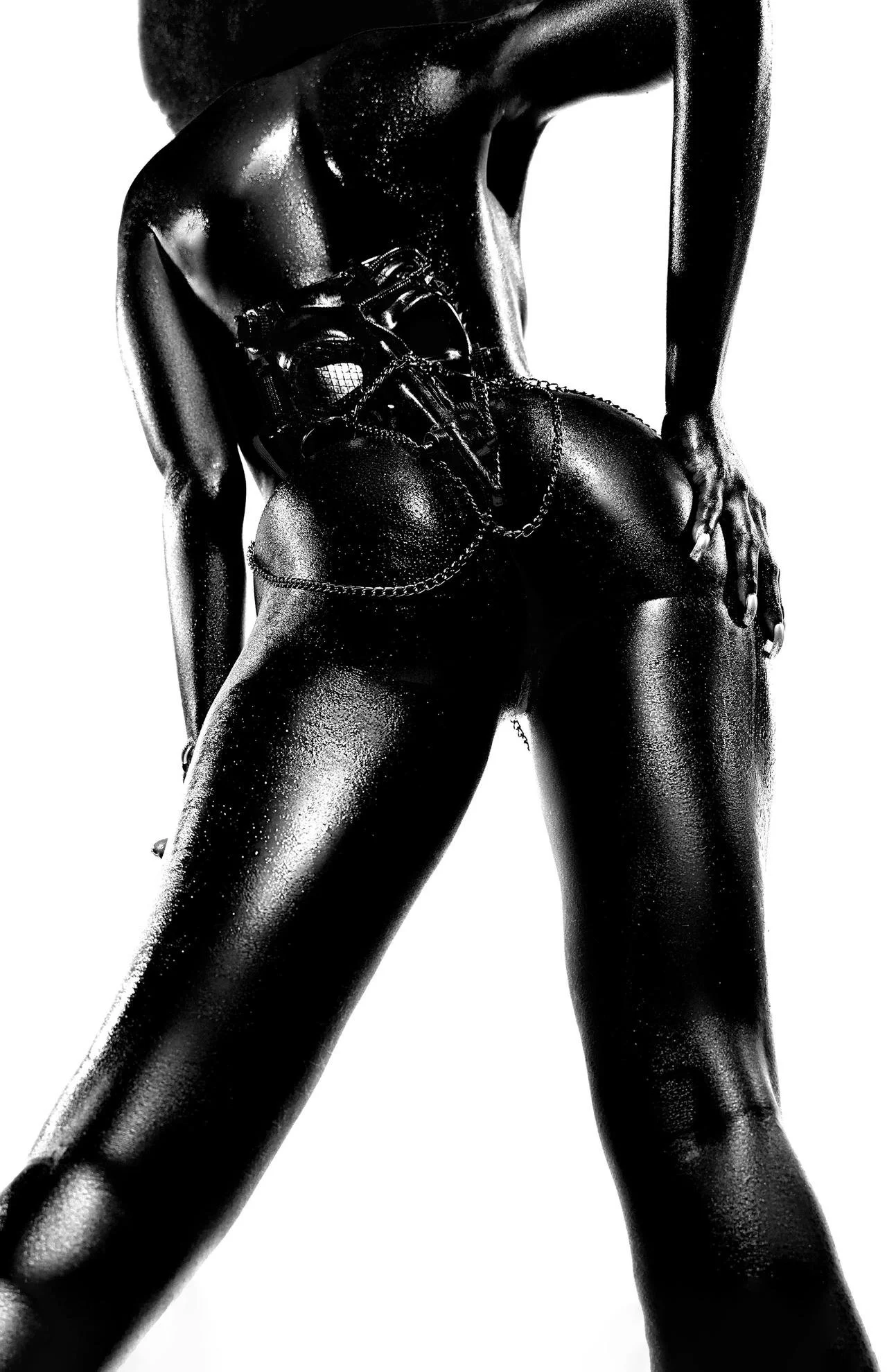

Nice Jass
There was a time in America when law enforcement was employed to prevent white people from socializing with black people in speakeasies where they drank booze and danced to jazz until sunup. White people socializing in black neighborhoods was called “slumming”. Of course, it was about race, but it was also about interracial sex. Having a child with someone who wasn’t white was called “mixing”, and white folks at the time didn’t take too kindly to it. They believed that jazz led to sex (and the alcohol made it more likely than not to happen). Many would agree that the idea that any music could compel someone to have sex sounds far fetched, but it doesn’t sound far-fetched once you’ve learned that three forms of African American music were euphemisms for “sex”: Jazz (spelled at the time with a double “s” instead of double “z”), ragtime, and rock and roll. They called these genres “the devil’s music” and persisted in believing that listening to it would lead to sex. Whites had already branded blacks as “lascivious”, so it only made sense to them that black people would make music that would corrupt white folks and cause them to engage in wild, uninhibited sex with them. They were hostile to rhythmic music and dance, and believed that our propensity to make such music was the result of their invention of black people’s inherent “loose” morals (notice the term “loose”, the opposite of “tight” or “rigid”). Though it was a racist belief, they weren’t that far off the mark concerning black music and dance.
Whites (particularly conservatives and evangelical Christians) have always viewed most non-white people as savages. Because black folks enjoyed their music and danced with abandon, black people were considered to be sex-hungry fiends who preferred engaging in drunken, hedonistic revelry and making babies rather than working and being productive members of society. They perceive a lack of inhibition as sinful and uncivilized. It’s not enough that they hold themselves to their unnatural standards; they feel that others should behave in the same manner. To control the sexual lives of others is to have dominion over their bodies.
Much of American music has always been associated with sex, as evidenced by the naming of the genres mentioned above. These are the kinds of music that made you dance (though dancing to rock and roll was later discontinued when white musicians irrevocably changed the sound). The relationship between dance and sex isn’t limited to humans, but is found in other animals as well. They’re called mating rituals. These dances are meant to attract the opposite sex for mating. In humans, it is believed that the better dancer you are, the more you’re likely to be a champ in the sack; according to Helen Birch, a U.K.-based sex and relationship expert and clinical hypnotherapist, this seems to be the case.
“Sex and dancing are similar primal activities. They are both physical and require connection with your body. They both require you to get out of your head and into your body to be truly in the moment.”
There’s a scene in the first Matrix film where the inhabitants of Zion dance en masse. The dancers are literally out of their heads and into their bodies, as the head is where The Matrix plants its fiction of the world. When you watch this scene, you can’t help but be captivated by the sensuous motions and passionate movements. Sweat pours and drips, and hair is flung in circles. Legs fly, knees bend, and hips twist as the drum pounds relentlessly, matching the rhythm of the blood pumping through their hearts. It’s an orgy of shared experience, a release of the anxiety and fear from having to face death almost daily. At the same time, the dance empowers them to continue fighting for humanity's survival. The dancefloor is where the love and strength of all humanity are derived.
background photograph by IamHimOverThere
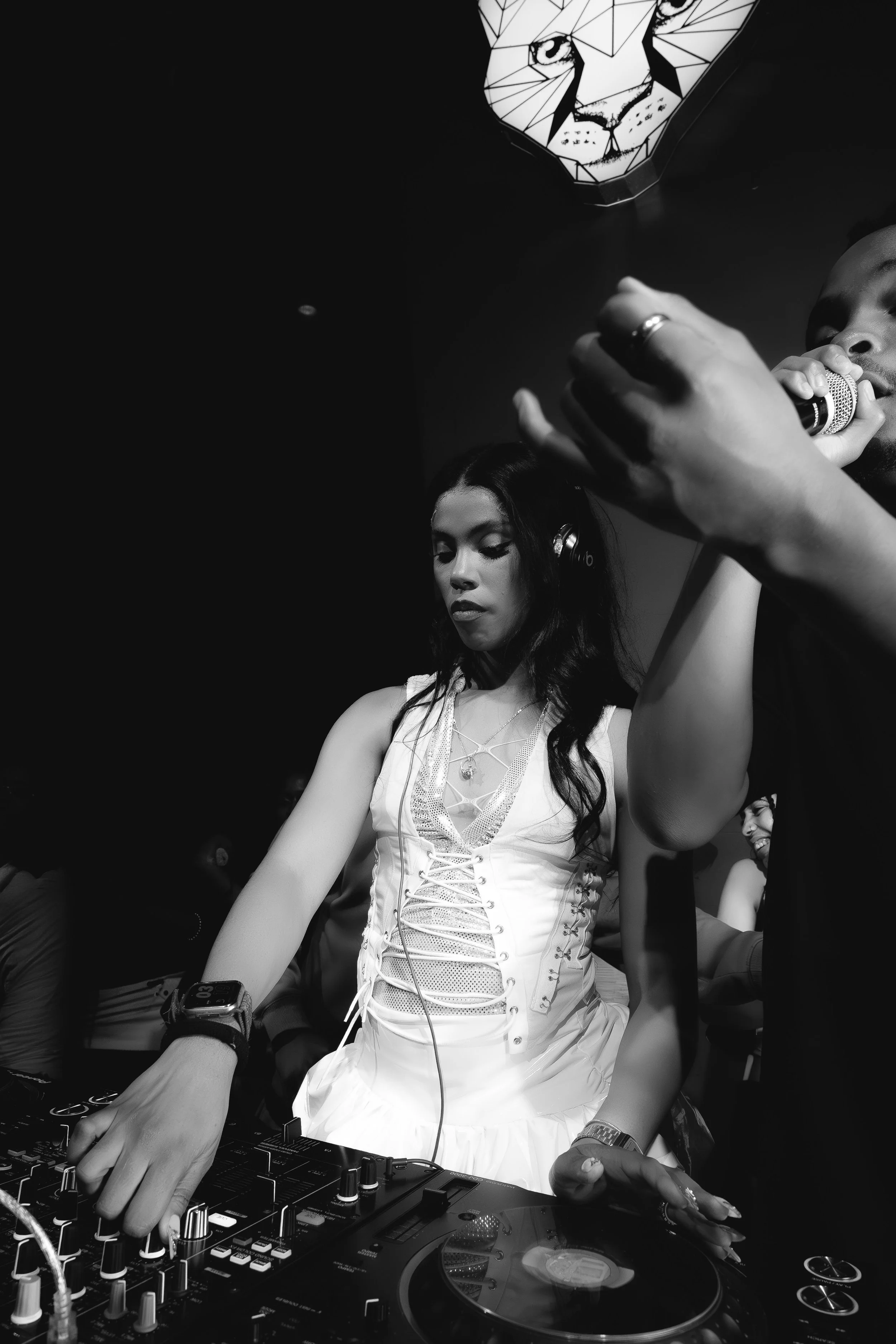
Urban Dancefloor Guerillas
In popular culture, it is often perpetuated that left-wing individuals are more sexually active, while right-wing individuals are more “vanilla” or celibate. While this does not apply to everybody, a 2017 study in the journal Personality and Individual Differences found that right-leaning individuals tend to have more traditional sexual habits, such as engaging in missionary sex, while left-leaning individuals tend to be more adventurous and open to things such as sex toys or masturbation. Their research explores various sexual habits in relation to politics.
Noora Zahedi, On sex and politics, everyone’s two favourite things
In the early years, George Clinton’s Funkadelic band was more psychedelic than funky. However, in 1974, he began making danceable funk with his other band, Parliament (which was the same lineup as Funkadelic, sans the psychedelic elements). In 1977, Clinton created a science-fiction “soap opera” that ran through Parliament’s albums through the 70s. The one that started it all was the album “Funkentelechy vs. the Placebo Syndrome”. The character of Starchild was the celestial champion of The Funk (aka The One), who possessed the mental ability of the funkentelechy and battled Sir Nose D Voidoffunk (who was afflicted with placebo syndrome and considered himself too “cool” to dance) across the galaxy, and took every opportunity to put an end to Starchild and the funk. Meanwhile, closer to home, a similar battle was being waged by their sibling band on Earth.
One Nation Under A Groove (1978) was the album that established Funkadelic, and the title song (with its nationalist overtones) served as both anthem and rallying cry. “Here’s my chance to dance my way out of my constrictions” and “nothing can stop us now” are two lines in the song in which music and dance are deemed revolutionary acts that will free people from their inhibitions. 1979’s Uncle Jam Wants You, Clinton references the the U.S. Army’s Uncle Sam monicker while portraying the late Black Panther Party leader, Huey P. Newton on the album cover (this was the first Funkadelic album cover since America Eats Its Young without Pedro Bell’s artwork, though his art does appear in the foldout interior of the album, and the back cover). The band returned with a more militant agenda, and people who didn’t dance were still their primary target.
Their last album under the “Funkadelic” name, The Electric Spanking of War Babies, was released in 1980 and was critical of the United States and imperialism. What the band didn’t get through in the music, Pedro Bell more than compensated for with his art. When he became Funkadelic’s album-cover artist in 1974, Pedro immediately gained popularity not only for his brilliant art but also for his cryptic, subversive prose “hidden” within it. For War Babies, Clinton and Bell turned it up to eleven. Both men were intelligent and well-read, and Pedro cited book references for every statement he made about the U.S. government.
Pedro Bell, Funkadelic’s propaganda artist, didn’t just camouflage cryptic, subversive information in his artwork; the nudity and eroticism ensured that fans would not only buy the album but also read the anti-capitalist propaganda written on the covers and in the liner notes of every album he worked on.
George Clinton and Pedro Bell shared a common vision of merging music, dance, and art with politics in their respective art forms. In their view, capitalism and oppressive government were inconducive (hostile even) to the pleasures of music, dance, and sex. Pedro Bell’s artwork primarily inspired Neuerotica’s form and function, but the P-Funk (Parliament-Funkadelic) Mob’s music is spiritually integral to it as well. I see young musicians making similar moves, and I believe that they may be able do it better. The arts (like speech) are another form of communication, capable of transmitting ideas, inspiration, and (as we’ve seen with George Clinton’s stable of bands), propaganda.
background photograph by Photograph by sammy swae